
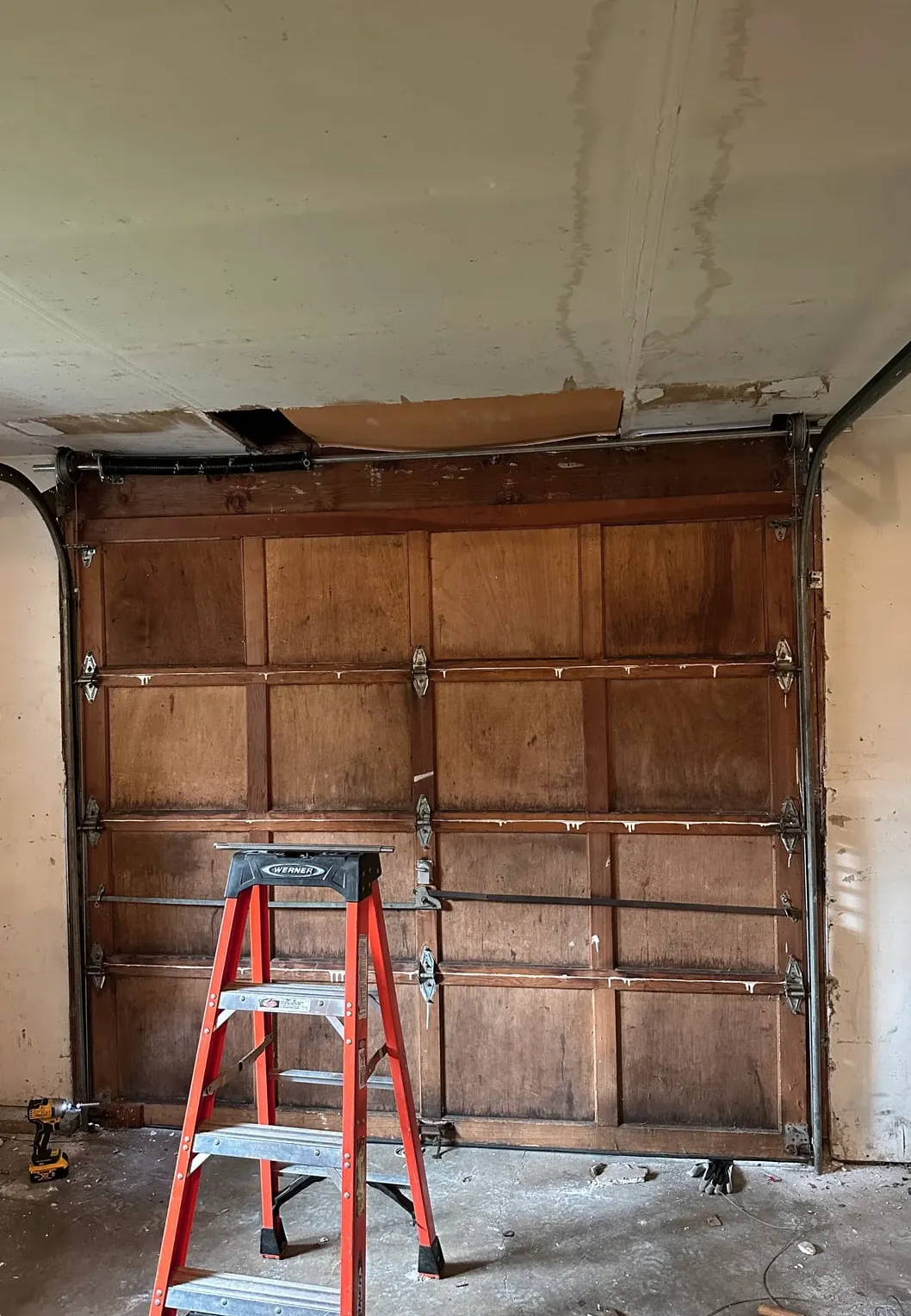
The Moment You Notice It
You're standing in the laundry room or the bonus room above the garage, and your socks are cold. Or you walk past the door that connects the house to the garage and feel a thin stream of air moving across your ankles. Someone says, \"The heater's fine, it's just the house.\" Someone else says, \"No, it's that garage door—I can see daylight under it.\" Here's how to settle it with facts instead of vibes.
Why an Attached Garage Door Affects Your Whole House
If your garage shares a wall with living space, or your HVAC ducts, water heater, or furnace sit inside the garage, that room is not as separate from your conditioned air as it feels. Heat and cool air move through tiny gaps around the garage door the same way they move through a poorly sealed window. The door itself is the single biggest unsealed opening in that wall.
In summer, especially in the hotter inland pockets of San Diego County, a garage can swing well above outdoor temperature by afternoon. That trapped heat pushes against the shared wall and any ductwork running through the space, making your AC work harder to hold temperature in adjacent rooms. In the cooler, wetter months—which is exactly what's arriving now—the reverse happens: cold, damp air seeps in around the door and pulls warmth out of the house.
What's Actually Leaking
- Bottom seal (astragal): The rubber strip along the floor compresses and cracks over years of sun exposure and temperature swings. Once it's flattened or torn, there's a visible gap along the entire width of the door.
- Side and top weatherstripping: Often overlooked, but UV exposure on sun-facing doors and general age dry out this material faster than homeowners expect.
- Panel warping: Steel and wood panels can bow slightly from sustained heat, especially on west-facing garages. A warped panel breaks the seal even if the weatherstripping itself is fine.
- Non-insulated doors: Older single-layer steel doors have no thermal break at all—they transfer heat and cold directly, seal or no seal.
How to Check It Yourself
- Daylight test: Close the door, turn off the garage lights, and look for light coming through around the edges or bottom.
- Hand test: On a windy or rainy day, run your hand slowly along the bottom and sides. Moving air means an active leak.
- Dust and grit: During dry, dusty stretches (or after wildfire smoke events), check if fine dust is collecting just inside the door line—that's airborne particulate finding the same gaps your conditioned air is escaping through.
- Rust or swelling at the bottom corners: Common where winter rain pools, and a sign the seal has been failing for a while.
What Fixes It—and What Doesn't
Replacing worn weatherstripping and the bottom seal is inexpensive and often solves 80% of the problem if the door panels themselves are straight and in decent shape. This is a maintenance-level fix, not a full replacement.
If the door is warped, dented, or simply uninsulated steel from decades back, new weatherstripping won't fix the underlying heat transfer. At that point you're weighing the cost of an insulated replacement door against the ongoing cost of higher utility bills and an uncomfortable room next to the garage. Insulated doors also help buffer the noise and temperature swings that come with coastal salt air corrosion on hardware and the heat cycling that stresses tracks and springs.
When to Call San Diego Garage Door Service
If your test shows daylight, moving air, or a bottom seal that's cracked and flattened, start with our Garage Door Maintenance service—we'll replace the perimeter seals, check the door for warping or misalignment, and make sure the weep points at the bottom aren't trapping winter rain against the panel. If the door itself is old, uninsulated, or visibly bowed, we'll walk you through Garage Door Installation options with proper insulation ratings for either coastal salt exposure or inland heat, so the room next to your garage stops arguing with your thermostat.
If you're going back and forth over whether it's the door or just \"the house,\" have one of our techs take a look. Call San Diego Garage Door Service and we'll tell you straight whether you need a seal replacement or a new door—no guessing required.